How Could I Believe Different?
Jun 17, 2026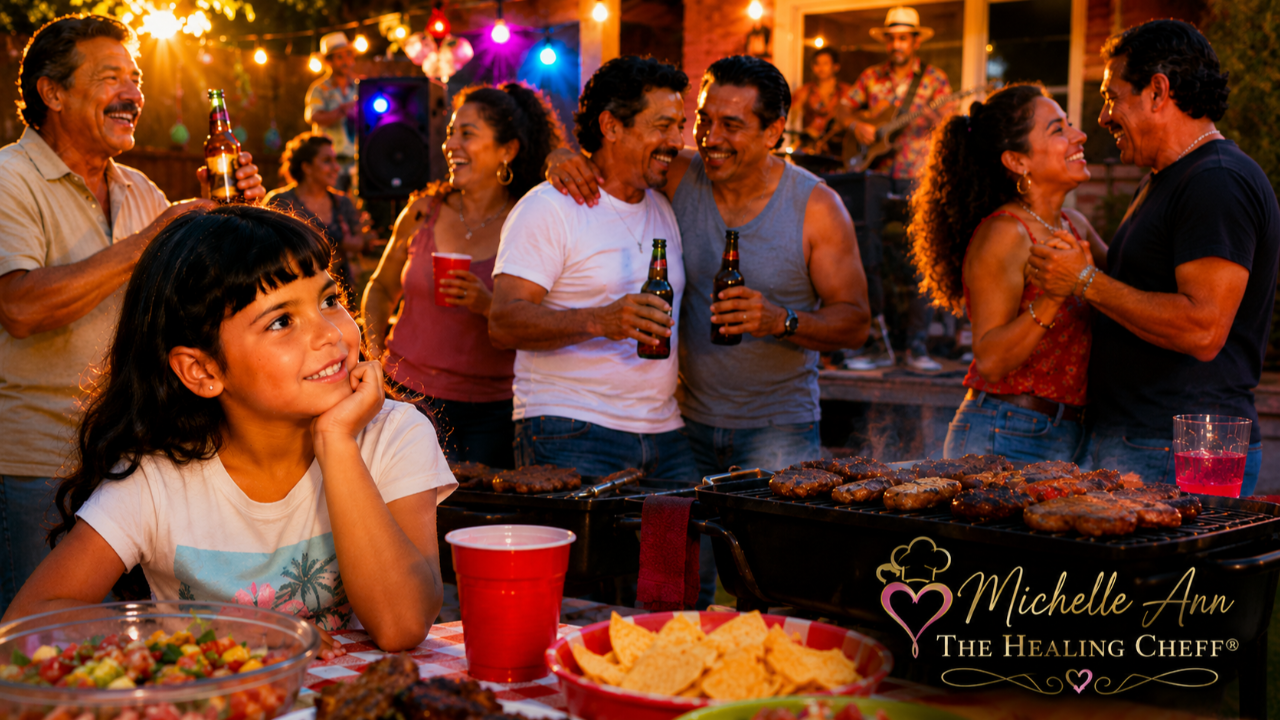
✨ AS I SIT HERE REMEMBERING... ✨
As I sit here remembering my own story, and as I work with others who feel exactly like I once did, I find myself asking a question:
How do we convince someone like me to stop drinking?
How do we convince someone whose entire life has taught them that alcohol is normal?
How do we convince someone whose memories, family traditions, celebrations, and culture are all intertwined with drinking?
How do we convince someone whose old ideas have become part of their identity?
The truth is, it's not easy.
As children, we don't see alcohol through the lens of consequences. We see it through the lens of connection. We see laughter, family gathered together, celebrations, music, dancing, people hugging, kissing, and appearing happy and in love. We see people who seem more relaxed, more outgoing, more kind, and more loving.
To a child, alcohol often becomes associated with:
• ❤️ Love
• 🎉 Fun
• 🤝 Belonging
• 😊 Happiness
• 🏡 Family
• 🎄 Holidays
• 🎂 Birthdays
• 💍 Weddings
• 🎓 Graduations
• 🍔 BBQs and gatherings
I remember watching commercials that glamorized drinking. Everyone looked happy, successful, attractive, carefree, and accepted.
Then I watched it play out in my own family.
Friends would come over. The food would come out. The music would start. The laughter would get louder. People danced. People celebrated. The adults seemed happier.
Even the grouchy uncles who normally complained about everything suddenly seemed friendlier. They smiled more. They laughed more. They handed us kids a few dollars and told us to run to the store and buy candy.
As a child, I loved those moments.
It felt like love.
It felt like family.
It felt like happiness.
What I didn't realize was that I was only seeing a few hours of the story.
I had no idea alcohol was a drug. I had no idea it was slowly poisoning people's bodies. I didn't understand why my mother felt sick the next day. I didn't understand why she lacked energy. I didn't understand why my father occasionally missed work or lost a job. I didn't understand why the same people who seemed so joyful at the BBQ sometimes appeared exhausted, anxious, disconnected, irritable, or unhappy afterward.
Children don't see consequences.
They see celebrations.
They see excitement.
They see connection.
And those experiences become deeply rooted beliefs.
Then society reinforces those beliefs.
Commercials show beautiful people on beaches. Movies portray drinking as glamorous. Television presents alcohol as the reward after a hard day. Advertisements tell us:
• "Drink to celebrate."
• "Drink to relax."
• "Drink to connect."
• "Drink to fit in."
• "Drink because you deserve it."
Very few people grow up hearing:
• Alcohol is toxic.
• Alcohol damages the body.
• Alcohol contributes to disease.
• Alcohol changes brain chemistry.
• Alcohol can create obsession and dependence.
Instead, we are taught that drinking is normal and not drinking is unusual.
So perhaps the better question is not:
"Why did I drink?"
Perhaps the better question is:
"How could I have possibly believed anything different?"
No one had to convince me to drink.
The world had already done that.
The commercials did.
The movies did.
The parties did.
The holidays did.
The culture did.
My childhood experiences did.
Everywhere I looked, alcohol seemed woven into the fabric of life itself.
Alcohol was how people celebrated.
Alcohol was how people relaxed.
Alcohol was how people connected.
Alcohol was how people had fun.
Alcohol was how people coped.
Alcohol was how people lived.
So when someone suggested I stop drinking, it felt almost absurd.
• How do I celebrate?
• How do I relax?
• How do I connect?
• How do I have fun?
• How do I live?
That's why when an alcoholic reaches the point of surrender, it can feel almost insane to stop drinking.
Not because they don't see the damage.
Not because they enjoy the consequences.
But because they are going against years of conditioning.
They are going against childhood memories.
They are going against social expectations.
They are going against messages they have heard their entire lives.
The alcoholic isn't simply putting down a drink.
They're letting go of everything they believed alcohol represented.
And that's why recovery can feel like a death before it feels like a rebirth.
Part of recovery is discovering that alcohol was never actually giving us what we thought it was giving us.
We thought it was giving us:
• Connection
• Confidence
• Peace
• Freedom
What we were really seeking was:
• Belonging
• Self-worth
• Serenity
• Spiritual freedom
The tragedy is that many of us grew up believing alcohol was the magic ingredient.
Then one day we discover that the very thing we thought was creating joy was also creating suffering.
The same bottle that seemed to create laughter also created:
• Confusion
• Broken trust
• Unkept promises
• Emotional instability
• Financial hardship
• Fear and uncertainty
• Shame and guilt
• Resentment and anger
• Damaged relationships
• Missed opportunities
• Spiritual emptiness
• Families walking on eggshells
• Children carrying wounds they could not understand
• Husbands and wives feeling lonely while sitting in the same room
The Big Book says it best:
📖 Alcoholism leaves behind confusion where there should be understanding, resentment where there should be peace, financial strain where there should be security, disappointed friends and employers, wounded children, heartbroken spouses, worried parents, and countless relationships burdened by the effects of the disease.
And honestly, the list could go on and on.
Because alcoholism rarely affects only the person drinking.
It touches everyone who loves them.
It impacts:
• Homes
• Marriages
• Friendships
• Careers
• Children
• Entire generations
The alcoholic suffers, but so do the people standing closest to the fire.
And perhaps that is where recovery truly begins.
Not when someone convinces us.
Not when someone argues with us.
Not when someone forces us.
But when we become willing to ask ourselves a different question:
What if my old ideas are wrong?
What if the very thing I believe is helping me is actually hurting me?
What if the very thing I believe is normal isn't healthy?
What if my way isn't working?
What if there really is a better way?
What I've learned working with alcoholics is that most of us were never trying to destroy our lives.
We were trying to improve them.
We were trying to:
• Feel better
• Belong
• Fit in
• Quiet the noise in our heads
• Escape pain we didn't know how to explain
The problem wasn't that we were looking for relief.
The problem was where we were looking for it.
Alcohol promised:
• Freedom
• Confidence
• Connection
• Relief
But often delivered:
• Dependence
• Shame
• Isolation
• Consequences
As I look back today, I can see that many of my old ideas weren't bad because I was bad.
They simply weren't true.
And when an idea is untrue, eventually life exposes it.
Some of the old ideas I had to let go of were:
• Everybody drinks.
• Drinking makes life more fun.
• Drinking helps people connect.
• Drinking relieves stress.
• Drinking helps me cope.
• Drinking makes me more social.
• Drinking makes me happier.
• Drinking is normal.
What I discovered in recovery was something very different:
• Peace is better than escape.
• Connection is better than intoxication.
• Presence is better than numbing.
• Authenticity is better than pretending.
• Spiritual freedom is better than temporary relief.
• Reality is better than illusion.
Most importantly, I learned that recovery wasn't taking anything valuable away from me.
Recovery was removing the very thing that stood between me and the life I was trying so desperately to create.
Today, when I sit with newcomers, I understand why they struggle. I understand why they argue. I understand why they compare. I understand why they resist.
Because I did too.
People rarely change because they are forced to.
People change when the pain of staying the same finally becomes greater than the fear of changing.
The Big Book tells us that recovery requires us to let go of old ideas.
For me, one of the biggest old ideas was this:
Everybody drinks and everybody should drink.
Today I know that isn't true.
Just because something is familiar doesn't mean it's healthy.
Just because something is common doesn't mean it's harmless.
Just because something is culturally accepted doesn't mean it's good for me.
And just because I learned something as a child doesn't mean I have to carry it forever.
The beautiful surprise is that recovery eventually reveals something alcohol never could.
The joy was never in the alcohol.
The joy was in the people.
The laughter was never in the alcohol.
The laughter was in the connection.
The love was never in the alcohol.
The love was in the relationships.
The peace was never in the alcohol.
The peace was in surrender.
The freedom was never in the alcohol.
The freedom was in not needing it.
And that may be one of the greatest discoveries of recovery.
We are not giving up everything.
We are finally finding everything alcohol promised but could never deliver.
Michelle Ann
The Healing Cheff®
Healing Hearts. Restoring Hope. Transforming Lives.
🌐 TheHealingCheff.com
#TheHealingCheff
#RecoveryMatters
#SobrietyAndRecovery
#BigBookAwakening
#SheChoseHerself2012
Stay connected with news and updates!
Join our mailing list to receive the latest news and updates from our team.
Don't worry, your information will not be shared.
We hate SPAM. We will never sell your information, for any reason.